Expert Care for Vein Disease and Leg Pain
Visible veins on your legs are often more than just a cosmetic annoyance—they are frequently symptoms of underlying vein disease. This can lead to poor circulation, uncomfortable bulging, and chronic pain. At Birmingham Heart Clinic (BHC) Vein Center, we develop a personalized plan of care specifically tailored to your individual condition and lifestyle.
Our board-certified cardiologists are committed to being your provider of choice for treating venous and vascular conditions with compassion and expertise.
Advanced, Non-Surgical Treatment BHC Vein Center is one of the exclusive providers in Birmingham, Alabama, for VenaSealTM Closure. This is a non-surgical, in-office procedure designed to get you back on your feet quickly.
Take the Next Step Call us today at (205) 815-4800 to learn more or to verify if your insurance covers these advanced procedures.
Procedures Available at the Vein Center
- Vein Ablation: Minimally invasive treatment using heat to seal off diseased veins.
- Phlebectomy: Removal of varicose veins through tiny, vein-specific incisions.
- VenaSealTM: An innovative medical adhesive used to close affected veins.
- Varithena: A specialized injectable foam treatment for varicose veins.
BHC Vein Center
Frequently Asked Questions
The term ‘varicose veins‘ is often used to describe everything from smaller, spider veins (red or blue veins on the surface of the skin) up to true varicose veins (swollen, bulging veins with a rope-like appearance). Varicose veins are quite common, with one in three women and one in five men experience problems. Varicose vein symptoms can include swelling, a tired, heavy feeling, leg fatigue, leg pain, as well as burning and itching sensations.
Varicose veins are almost always associated with venous reflux. This occurs when the valves in the leg veins don’t work well, and backward blood flow causes pooling in the lower leg. Without treatment, the pressure this creates may increase over time and cause additional varicose veins and symptoms. People with a family history and who are older, obese or are pregnant may be at increased risk of developing varicose veins.
Yes, varicose veins can be hereditary. In fact, it is estimated that approximately 80% of all venous reflux is due to heredity. There are many factors that may contribute to the development of varicose veins. However, heredity is the single most identifiable factor leading to venous reflux. If one of your parents have venous disease, studies have shown that you have a 50% likelihood of developing it as well. If both of your parents have venous disease, your chances increase to 90%.
It is unclear if varicose veins can be prevented, but certain actions may help limit the disease’s progression and symptoms. Routine exercise, maintaining a normal weight, avoiding excessively long periods of standing or sitting, and the use of compression stockings may all help alleviate symptoms.
If you have underlying venous disease (e.g., venous reflux), the pressure created by backflow of blood and pooling in the lower legs may create a progressive condition that only gets worse with time. This may lead to additional spider veins and varicose veins, and in some cases can lead to swelling and venous ulcers at the lower calf and ankle. Only a trained vein specialist can effectively evaluate your spider veins or varicose veins.
Procedures like sclerotherapy, EVLT and Closure act to close down a faulty vein. The vein being closed is dysfunctional and is allowing blood to flow backwards and pool, so leaving it open only makes things worse. The body contains numerous other healthy veins that are still functional and can easily take up the additional flow. Treatment of the faulty veins almost always results in improved blood flow in the overall vein system.
Procedures like EVLT and Closure, when shown to be medically necessary, are commonly covered by Medicare and insurance providers. Treatment for spider veins is generally considered a cosmetic procedure and usually not covered. Consult your local insurance provider to determine your exact eligibility and coverage as well as cost.
Procedures and treatments for venous insufficiency that are medically necessary are covered by most health insurance plans.
At the time you schedule your appointment, our staff will review your insurance plan to make sure you are covered. Our staff is experienced in working with your insurance to verify coverage. If your insurance plan requires you to pay a co-payment, co-insurance, and/or a deductible, you will need to pay at the time of your visit. For your convenience we accept cash, checks, Visa, MasterCard, Discover, and American Express.
Sometimes the same factors that helped to cause your first spider veins or varicose veins (e.g., family history, age, obesity, female hormones, etc.) will make you predisposed to develop additional vein conditions. If a specific vein is properly treated, it usually does not recur, but it is possible that other veins may become diseased. This is why it is important that even if you have what appear to be simple, cosmetic spider veins, that you consult a vein specialist who can determine if you have an underlying condition (venous reflux). If you do, and you don’t treat the cause of the problem, additional spider veins or varicose veins are likely to develop.
How Are Varicose Veins Diagnosed?
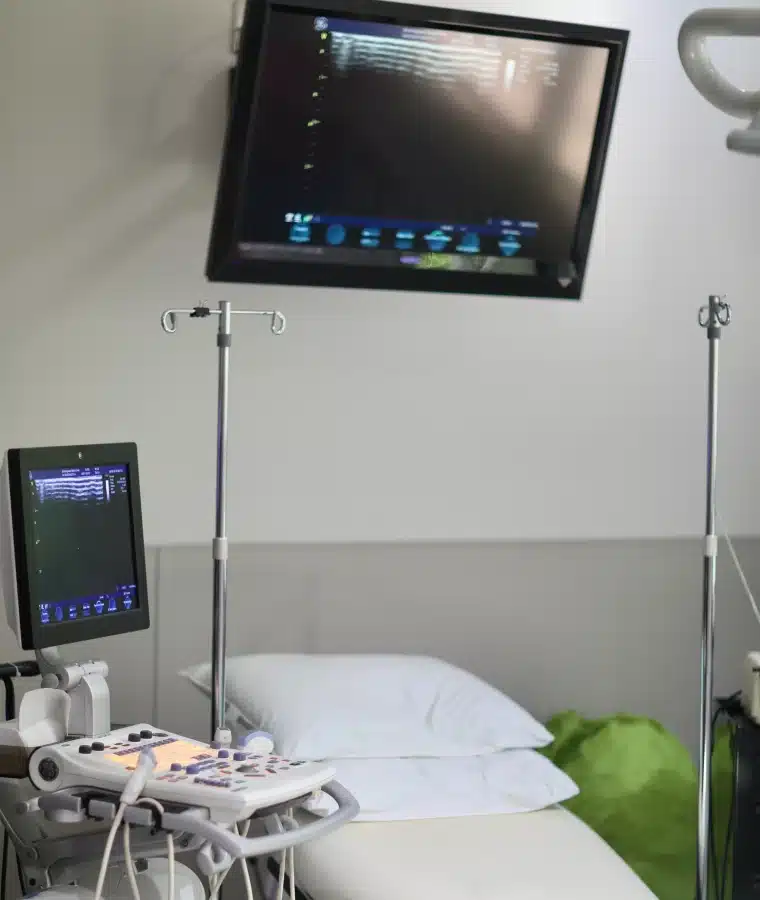
Doctors often diagnose varicose veins based on a physical exam alone. Sometimes tests or procedures are used to find out the extent of the problem or to rule out other conditions.
Physical Exam:
To check for varicose veins in your legs, your doctor will look at your legs while you’re standing or sitting with your legs dangling. He or she may ask you about your signs and symptoms, including any pain you’re having.
Forms
1. Pre-operative Instructions
- Venous Ablation and Phlebectomy Procedures
- Sclerotherapy and Spider Vein Procedures
- Venaseal Procedure
2. Post-operative Instructions
- Venous Ablation and Phlebectomy Procedures
- Sclerotherapy and spider vein procedures
- Venaseal procedure
3. Cancellation Policy
4. Vein Insurance and Approval Process and Information
Diagnostic Tests and Procedures
Learn MoreVascular Care
Our group of interventional cardiologists provide comprehensive and safe specialty care to patients with peripheral artery disease and other forms of vascular disease.
Learn More